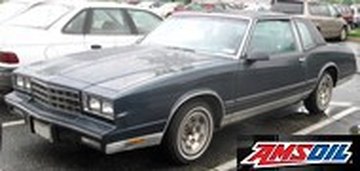
Maintaining Lubrication Integrity for the 1981 Chevrolet MONTE CARLO 5.0L
Proper engine maintenance is a cornerstone of long-term vehicle health, particularly for an engine like the 5.0L found in this 1981 Chevrolet Monte Carlo. While many aspects of automotive care involve mechanical repairs or electrical troubleshooting, the management of engine oil remains one of the most impactful ways to ensure the longevity and smooth operation of the powertrain.Monitoring Fluid Condition and Potential Leaks
A proactive approach to maintenance involves regular visual inspections of the engine bay. For a vehicle of this age, observing the area around the engine for any signs of fluid seepage is a practical starting point. It is helpful to look for dark, oily residue on various surfaces or pooling in the bottom of the engine compartment. When inspecting for leaks, pay close attention to the condition of gaskets and seals. Over time, these components can experience changes in elasticity due to heat cycles and age. If you notice any evidence of seepage, it warrants a closer investigation to determine if a seal is beginning to fail or if a component requires tightening. Additionally, checking the underside of the vehicle for fresh drips after it has been parked can provide useful information regarding the current state of the engine's sealing surfaces. Beyond external leaks, the condition of the oil itself provides significant diagnostic clues. If you are performing a routine check, observe the color and consistency of the lubricant on the dipstick. While oil naturally darkens over time as it performs its cleaning functions, an extremely thick or gritty texture can indicate that the fluid has exceeded its effective service life or has been subject to heavy contamination.Observing Potential Warning Signs
Vehicle owners should remain attentive to changes in how the engine behaves during operation. It is important to understand that many different mechanical issues can present similar symptoms; therefore, a single observation should be treated as a prompt for further inspection rather than a definitive diagnosis. For instance, if you notice an unusual odor while driving, it may indicate that oil is contacting a hot surface. Similarly, any unexpected mechanical noises—such as tapping or knocking—should be investigated immediately, as these can sometimes be associated with changes in lubrication levels or quality. If the vehicle's dashboard features warning indicators, such as an oil pressure light, this requires immediate attention. Such signals are critical prompts to stop the vehicle and verify that the engine is properly lubricated. Furthermore, monitoring for any unusual exhaust smoke is a prudent habit; while different colors of smoke can stem from various sources, they often serve as a signal that something in the combustion or lubrication process requires professional evaluation.Prioritizing Maintenance Based on Current Condition
As vehicles age, the strategy for maintenance often shifts from following rigid schedules to responding to the actual condition of the machine. For an owner of a 1981 Chevrolet Monte Carlo, establishing a maintenance baseline is highly beneficial, especially if the previous service history is unknown. This involves documenting current fluid levels, noting any existing minor leaks, and recording the general state of all visible engine components. Once a baseline is established, maintenance priorities can be set more effectively. Rather than replacing parts based solely on their age, focus on addressing active concerns first. This includes:- Addressing any identified fluid leaks or seepage to prevent further loss.
- Investigating any warning signs or changes in engine sound.
- Monitoring for changes in how much oil the engine seems to consume between service intervals.
- Inspecting aging materials, such as hoses or belts (if equipped), for signs of cracking, glazing, or fraying.
The Role of Documentation in Long-Term Ownership
Keeping a detailed record of all service performed is one of the most effective ways to manage an older vehicle. A comprehensive log should include the dates of oil changes, the specific products used, and any repairs or inspections conducted. Detailed records allow you to identify patterns that might otherwise go unnoticed. For example, if you notice that the frequency of oil consumption is increasing over several months, your records will provide the evidence needed to discuss a potential issue with a technician. Furthermore, having a clear history of maintenance can be invaluable when determining the overall health of the vehicle and making informed decisions about future repairs or long-term ownership.Practical Inspection of Engine Accessories
During routine service, it is also useful to inspect other components that support engine operation. If the engine is equipped with various drive belts, these should be checked for signs of deterioration such as cracks, fraying, or glazing. Similarly, if there are visible hoses present in the engine compartment, inspecting them for softness, brittleness, or bulging can help prevent unexpected failures. Checking electrical connections and wiring harnesses for signs of corrosion or heat damage is another valuable step. Ensuring that all connectors are secure and free from debris helps maintain the integrity of the vehicle's various systems. These small, regular checks contribute to a much larger picture of overall engine reliability.Buying Engine Oil for your 1981 Chevrolet MONTE CARLO 5.0L
When it is time to replenish your engine's lubricant, the most important step is to ensure that the product you select matches the specific requirements of your engine. Because different engines have unique needs regarding lubrication and protection, you should always match the engine oil to the application-specific viscosity information already displayed on this page. When shopping for products, consider the following practical tips:- Verify the Label: Always check the product packaging to ensure it meets the necessary standards and matches the viscosity requirements listed in your vehicle's application data.
- Evaluate Formulations: Depending on your engine's current condition, you may encounter various options such as conventional oil, synthetic blends, or full synthetic oils. Some high-mileage formulations also contain additives intended for use in aging engines, including seal-conditioning additives.
- Check Certification: Look for the appropriate API certification on the bottle to ensure the oil meets modern quality and performance standards.
- Avoid Assumptions: Do not rely on general knowledge or assumptions based on the vehicle's age alone; always refer back to the specific application information provided here to make an informed purchase.